2026-04-14
Your Office Water Strategy Needs a Reality Check
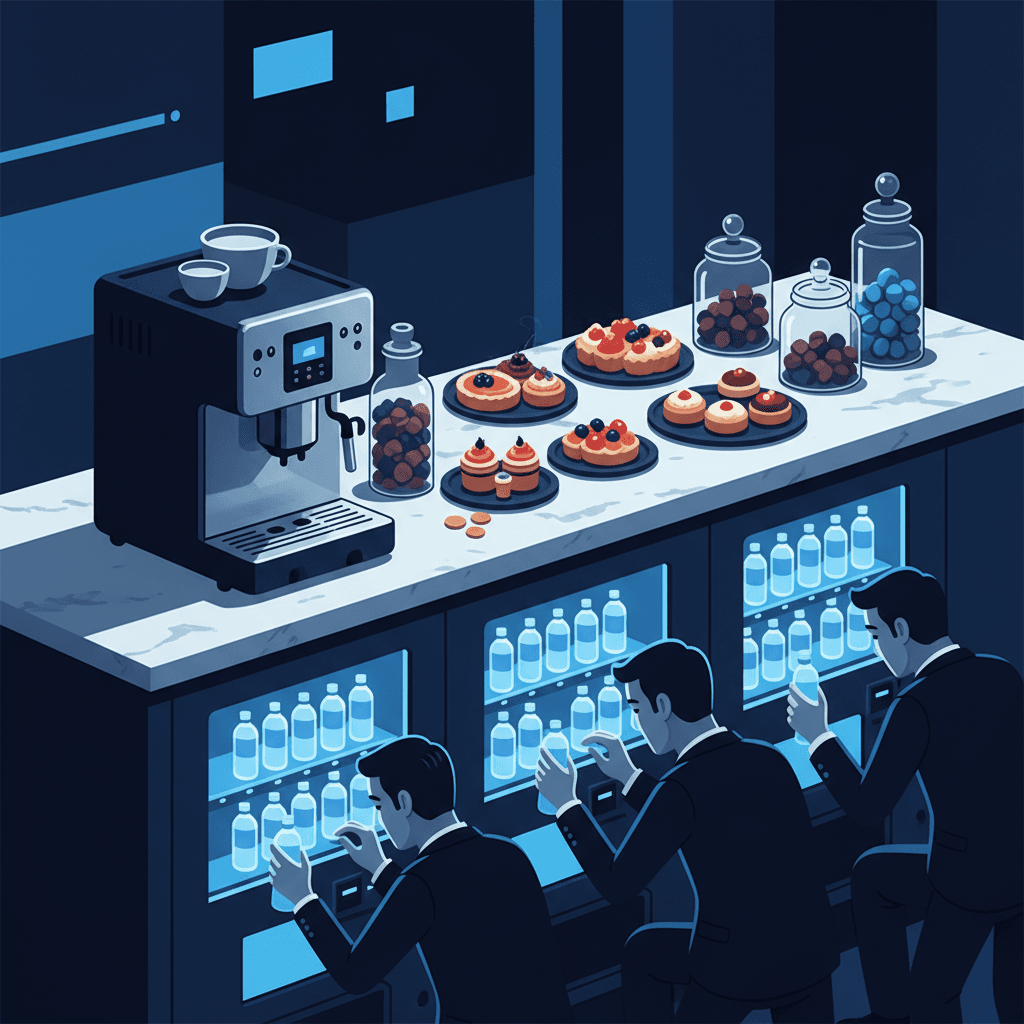
Your office has a $15,000 coffee machine. Ergonomic chairs that cost more than most cars. Standing desks, wellness apps, productivity software.
But your team loses significant work capacity when they're dehydrated.
I sell water systems for a living, so take this with appropriate skepticism. But the research on hydration and workplace performance comes from occupational health experts.
The Numbers Don't Lie
Even mild dehydration can significantly impact work productivity and concentration according to workplace safety research. Small decreases in body water can substantially reduce your team's output.
Studies show that mild dehydration can impair cognitive performance, with effects on working memory, attention, and executive function. The National Institute for Occupational Safety and Health isn't in the hydration business. They're in the worker safety business.
What Most Offices Get Wrong
Walk through any office building. Count the productivity investments versus hydration investments.
Expensive laptops everywhere. Smart boards in conference rooms. Collaboration software subscriptions that cost thousands per month. Then you get to the breakroom and find a single 5-gallon jug sitting on a plastic dispenser from 1995.
Or worse - a vending machine selling 16-ounce bottles for premium prices.
The disconnect is obvious once you see it. Companies optimize everything except the basic biology that makes thinking possible.
Why This Matters More Now
Office work demands more cognitive load than ever. Your team switches between apps, manages multiple projects, processes constant information streams. Their brains are working harder.
But brain function depends on hydration more than any other organ system. Even slight dehydration hits working memory first. Then attention. Then decision-making.
You're asking peak mental performance from people running on empty tanks.
The Real Cost
Let's do simple math. Say you have 50 employees with substantial salary and benefits costs. That's millions in annual payroll.
If productivity loss from dehydration happens even occasionally, the financial impact quickly adds up. More than enough to justify upgrading your entire hydration system.
But it's not occasional. It's chronic low-level dehydration affecting cognitive performance daily.
What Actually Works
The solution isn't complex. People need easy access to clean, good-tasting water throughout the day. Not rationed bottles. Not warm fountain water that tastes like chlorine.
Systems that remove contaminants, improve taste, and provide unlimited access. Ice when it's hot. Room temperature when it's not. Simple refill stations that don't require planning.
When water tastes good and it's convenient, people drink more. When they drink more, they think better. When they think better, they work better.
Here's the truth:
Most productivity problems aren't system problems or motivation problems. They're basic human needs problems.
You can't optimize what runs on broken infrastructure. Fix hydration first. Everything else becomes easier.
Your office water strategy might be the highest-ROI investment you're not making.