2026-04-01
Why I Build My Own Tools
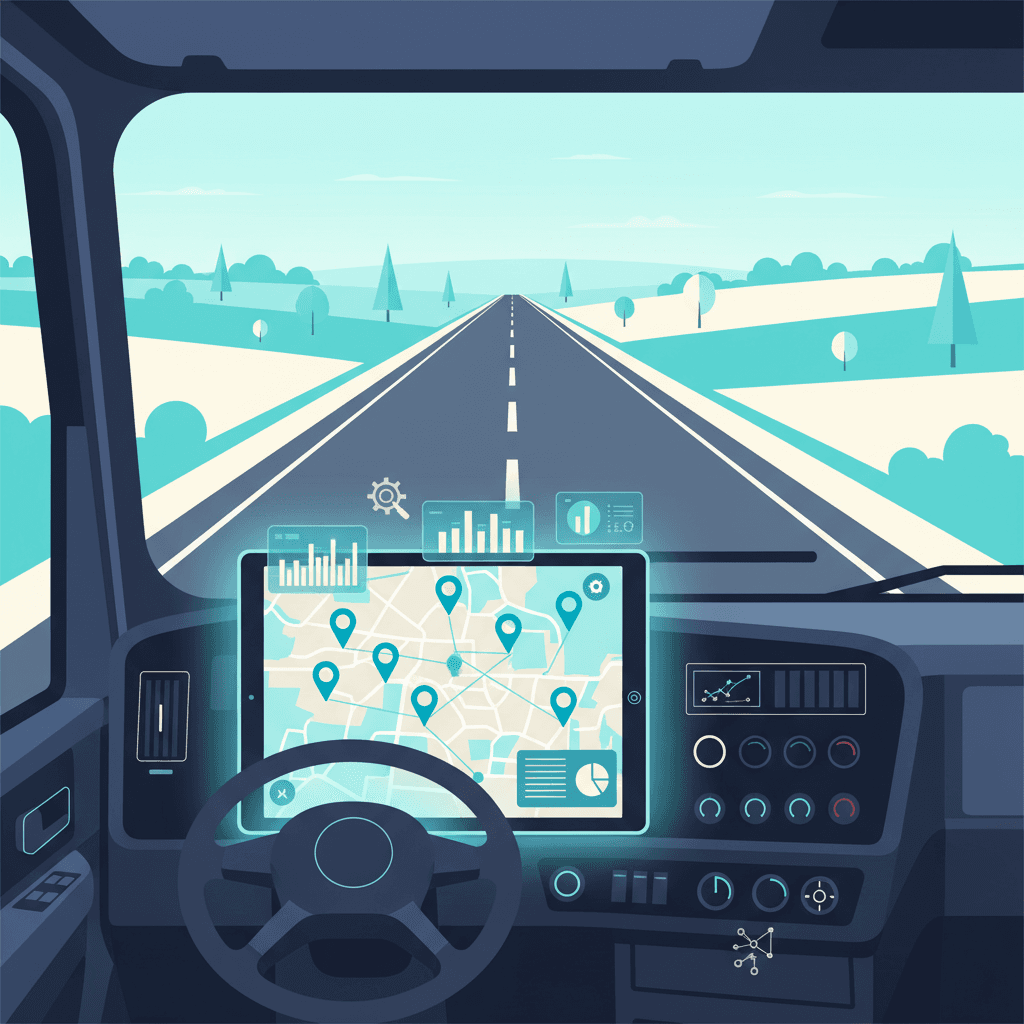
Most sales reps use the tools they're given. A CRM someone else configured. A route planner that doesn't understand their territory. A dashboard designed for managers, not the person in the truck.
I build the ones I need.
The Problem
I'm an account executive at Bottleless Nation, covering a large territory across south-central Wisconsin. Every day I'm making real-time decisions about where to go, who to call, and what to prioritize — all while driving between prospects who need bottleless water systems, ice machines, or coffee solutions.
Field sales is one of the most operationally complex jobs in business. You're covering hundreds of square miles, managing a pipeline of dozens of prospects at various stages, and the existing tools were designed by people who've never done the job. They optimize for reporting, not execution. They show you what happened, not what to do next.
The Approach
Every tool I build starts the same way: I hit a friction point in the field, and I build something that removes it.
- Route optimization — I needed a system that doesn't just plot the shortest path, but understands which stops are worth making today based on ICP fit, last contact date, and geographic clustering.
- Mobile AI assistant — I needed to query my pipeline and territory data from the truck without opening a laptop. So I built Sebastian, an AI assistant accessible through Telegram.
- Territory intelligence — I needed to see my territory as a living dataset, not a static spreadsheet. So I built Territory Universe.
The Principle
The underlying principle is simple: systems should compound. Every tool I build makes the next day in the field sharper. Every data point I capture makes the next decision better. Every automation I ship gives me back time to spend on the work that only a human can do — building relationships and closing deals.
This isn't about replacing the human element of sales. It's about giving the human better inputs.
What's Next
I'm working on VISION — a full operating system that ties all of these tools together. Route optimization, territory intelligence, automated workflows, and a unified dashboard. One system, one view, one rep operating at the capacity of a team.
More on that soon.