2026-02-05
What's Actually in Your Office Water
Nobody thinks about office water until something goes wrong. The jug runs out mid-afternoon. The Keurig starts making weird noises. Someone reads a headline about PFAS and Googles "is my tap water safe" during lunch.
I sell bottleless water systems for a living, so yes — I have a bias here. I'm telling you that upfront. But I also spend more time than most people reading about what's actually in tap water, and some of it should concern you.
PFAS: The Forever Chemicals
PFAS — per- and polyfluoroalkyl substances — are synthetic chemicals that don't break down in the environment. They're called "forever chemicals" for a reason. They're in firefighting foam, nonstick cookware, food packaging, and increasingly, drinking water.
The EPA has set enforceable limits on six PFAS compounds in public drinking water, but enforcement is still catching up to reality. Municipal water systems are working on it. Some are ahead of the curve. Some aren't.
The point isn't to scare you. The point is that "the water's fine" is an assumption, not a fact. And assumptions about water quality get less comfortable the more you look into them.
Microplastics
Here's the thing people don't think about with bottled water: it often has more microplastics than tap water. The plastic bottles themselves shed particles, especially when they sit in warehouses, trucks, and loading docks in varying temperatures before they get to your office.
Five-gallon jugs are better than single-use bottles, but they're still plastic. They still get handled, stacked, loaded, delivered, and loaded again. And every time that cycle happens, more microplastic particles end up in the water.
A point-of-use purification system connected directly to your building's water line eliminates that entire chain. No plastic containers. No delivery trucks. No warehouse storage. Just water, filtered at the source.
The Stuff You Can't See
Beyond PFAS and microplastics, tap water can contain:
- Chlorine and chloramines — used to disinfect municipal water. They do their job, but they also affect taste and smell. That "pool water" taste isn't your imagination.
- Lead — older buildings with legacy plumbing can leach lead into water. This isn't just a Flint problem. Plenty of office buildings were built before lead-free plumbing requirements.
- Sediment and dissolved solids — varies wildly by municipality. Some tap water is genuinely excellent. Some isn't.
The infographic I shared on LinkedIn comparing tap water to purified water got more reposts than anything else I've ever put out there. Seven reposts. For water content. That tells me people are paying attention to this.
Why This Matters for Offices
Most people drink more water at work than anywhere else. Eight hours a day, five days a week, filling up from whatever source is available. If that source is an old water fountain, an unfiltered tap, or a jug that's been sitting on a dispenser for a week — that's a lot of exposure to whatever's in there.
Companies spend money on ergonomic chairs, standing desks, and wellness programs. The water their employees drink all day is at least as important as any of that.
What I Actually Recommend
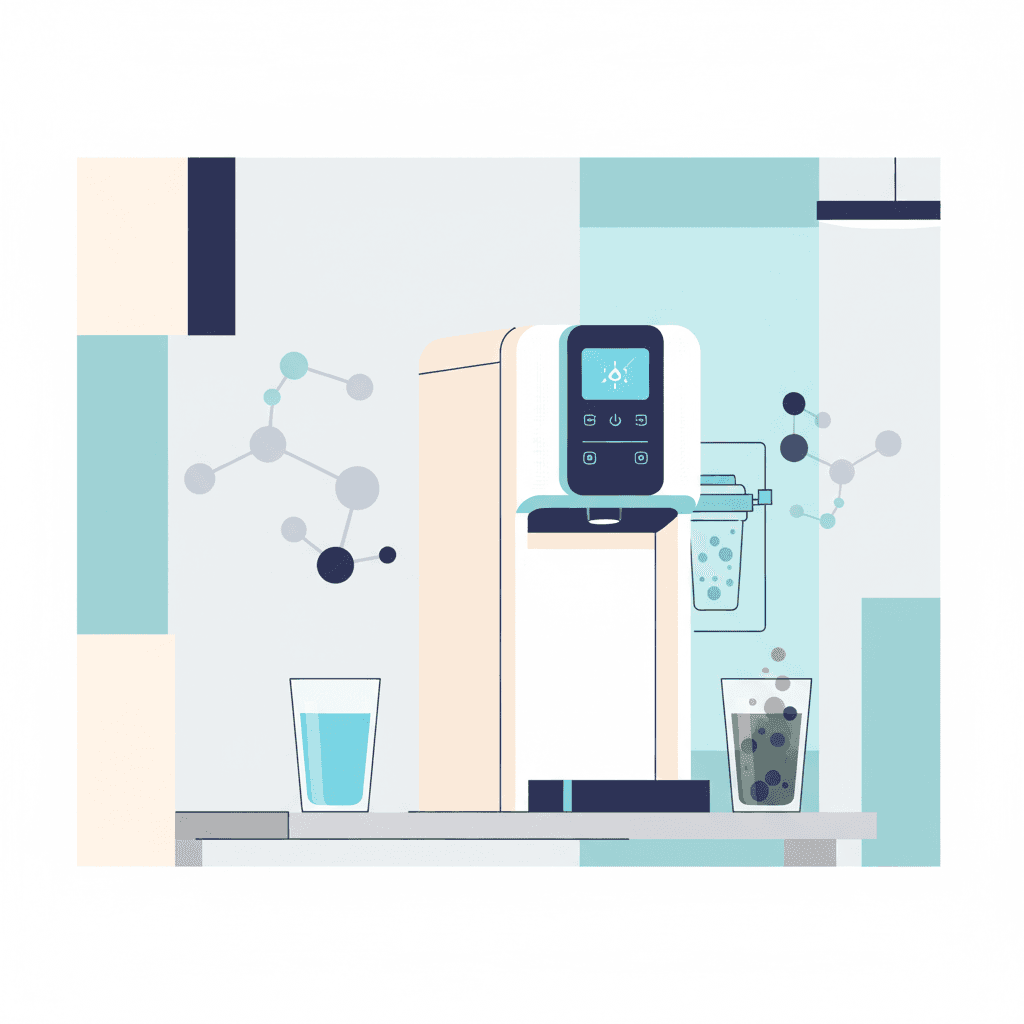
I work for Bottleless Nation — locally we go by Office H2O — and what we install are point-of-use systems that connect to the building's existing water line and run the water through multi-stage filtration. No jugs, no bottles, no deliveries. The system purifies on demand.
We also do ice, flavored and sparkling water, and coffee. But the core value is simple: clean water, no plastic waste, no logistics headaches.
I'm not going to pretend every office needs this. If your municipal water is excellent and you've got a solid filtration setup, you might be fine. But most offices don't have that. Most offices have a water cooler from 2014 and a Keurig that hasn't been descaled since the Obama administration.
If you're curious about what's actually in your water, your local utility publishes an annual water quality report (sometimes called a Consumer Confidence Report). It's public. Look it up. Then decide if "fine" is good enough.