2026-04-23
Water Systems Must Test for PFAS by 2027. Most Offices Don't Know This.
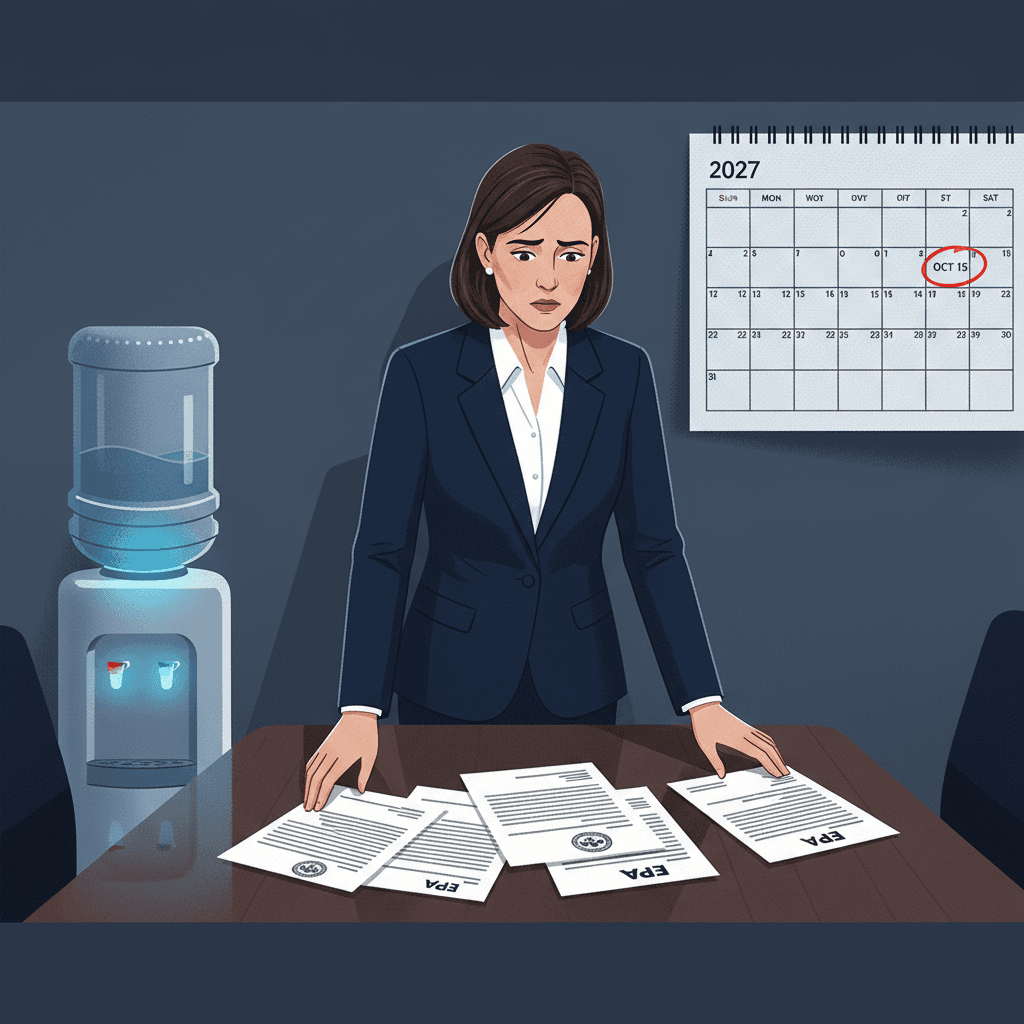
Your office water system has months to figure out PFAS testing. Many haven't started.
I sell water systems, so I'm biased. But the timeline here is tight: EPA's new PFAS rules require public water systems to complete initial monitoring by 2027. That's approaching quickly.
Full disclaimer: I work at Bottleless Nation in Wisconsin. I see this confusion regularly.
What Actually Changes in 2027
The EPA established legally enforceable limits for six PFAS chemicals in drinking water. Public water systems must complete initial monitoring by 2027 and comply with the standards by 2029.
Here's what many offices don't understand: if your building gets municipal water, your utility company handles the testing. But if levels exceed federal limits, water utilities must alert customers and provide treatment when contamination is detected.
Your office could get a notice that says "PFAS detected above federal limits" with limited warning.
The Health Math Is Serious
EPA's final PFAS regulation will prevent thousands of deaths and reduce tens of thousands of serious PFAS-attributable illnesses. They don't write rules like this for minor problems.
PFAS chemicals don't break down naturally. They accumulate in your body over time. The EPA calls them "forever chemicals" for a reason.
Many Offices Have No Plan
I talk to facility managers regularly. Similar conversations happen:
"Do you know about the 2027 PFAS testing requirements?"
"What requirements?"
Your municipal water system will test. But what happens when they find PFAS above the legal limit? Many offices I visit have no backup plan. No alternative water source. No budget approved for emergency solutions.
Point-of-Use Systems Get Complex
Some offices think they'll just install filters when problems arise. But point-of-use water systems are regulated by the FDA when they make treatment claims and must meet NSF/ANSI standards.
Not every filter removes PFAS effectively. You need systems specifically certified for PFAS reduction. Those cost more and require professional installation and maintenance.
The 2029 Deadline Adds Pressure
Water utilities have until 2029 to fully comply with the new standards. That's when public water systems must monitor for these chemicals and notify the public of levels.
But monitoring starts in 2027. If your local utility finds high PFAS levels during initial testing, they'll need time to fix it. Your office will know about the problem before it's solved.
Start Planning Now
The timeline doesn't provide much time to research solutions, get budget approval, and implement backup plans. Many procurement processes take considerable time.
I'm not saying every office will have PFAS problems. Many won't. But the offices that do have problems and waited until 2027 to plan will scramble for solutions when everyone else is doing the same thing.
The smart move is understanding your options before you need them.