2026-04-15
Water Plants Are Working Overtime This Spring. Your Office Feels It.
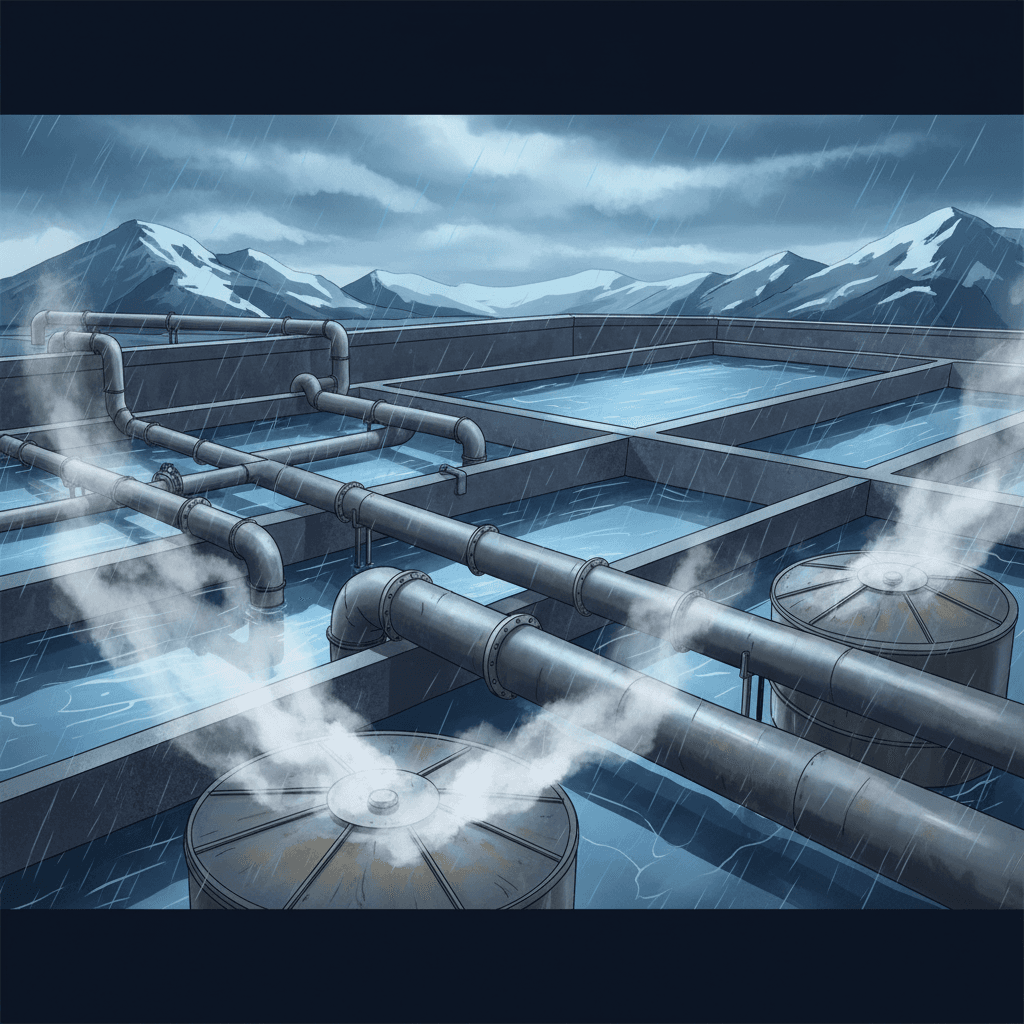
Your office water tastes different this week. Stronger chlorine bite. Maybe a metallic edge. Your team's complaining about it, but they don't know why it's happening.
I do. I work in the water industry, so I see this pattern every spring.
Why Spring Water Gets Worse
Water treatment plants are scrambling right now. Spring runoff and heavy rainfall events increase turbidity and contaminant loads in source water, requiring enhanced treatment processes during these seasonal periods.
Translation: melting snow and spring rain carry dirt, leaves, road salt, and worse into water sources. Treatment plants have to work harder to clean it up.
Seasonal temperature variations affect coagulation and flocculation processes in water treatment, requiring operators to modify chemical dosing and detention times throughout the year. When source water quality drops, operators pump in more chemicals to compensate.
More chemicals means stronger taste. Your team notices.
The Chemical Balancing Act
Water treatment plants often need to adjust chlorine disinfection levels seasonally, with higher doses typically required in warmer months due to increased bacterial growth and organic matter decomposition.
But it's not just summer heat. Spring brings organic matter from runoff — dead vegetation, soil particles, agricultural residue. All that organic material feeds bacteria and creates chlorine demand. Operators boost chlorine levels to maintain safety standards.
Safe water. Terrible taste.
Your Office Options Are Limited
You can't control municipal water treatment. Every office on your city's system gets the same seasonal adjustments. The same chemical taste. The same quality swings.
That's why I install bottleless purification systems. Not because I'm trying to sell you something (though I am), but because centralized treatment can't optimize for taste when it's fighting seasonal contamination.
Point-of-use purification handles what the treatment plant can't. Carbon filtration removes excess chlorine. Reverse osmosis strips out dissolved solids that create metallic tastes. Your team gets consistent water quality regardless of what's happening upstream.
The Pattern Repeats
This isn't a one-time spring problem. Summer brings heat stress on treatment systems. Fall means leaf debris in water sources. Winter freeze-thaw cycles crack pipes and change flow patterns.
Every season brings new challenges for water plants. Every challenge means more chemicals in your tap water.
Your team drinks this water all day. They notice every adjustment, every chemical boost, every quality swing. They just don't connect the dots to seasonal treatment changes.
Municipal water treatment does its job — keeps water safe. But safe water doesn't always taste good. And taste matters when you're trying to keep your team hydrated and productive.
Spring will end. Summer treatment challenges will begin. The cycle continues.
Your office water quality doesn't have to follow the same seasonal swings if you don't want it to.