2026-04-05
Two Years Since PFAS Rules: Your Office Still Isn't Compliant
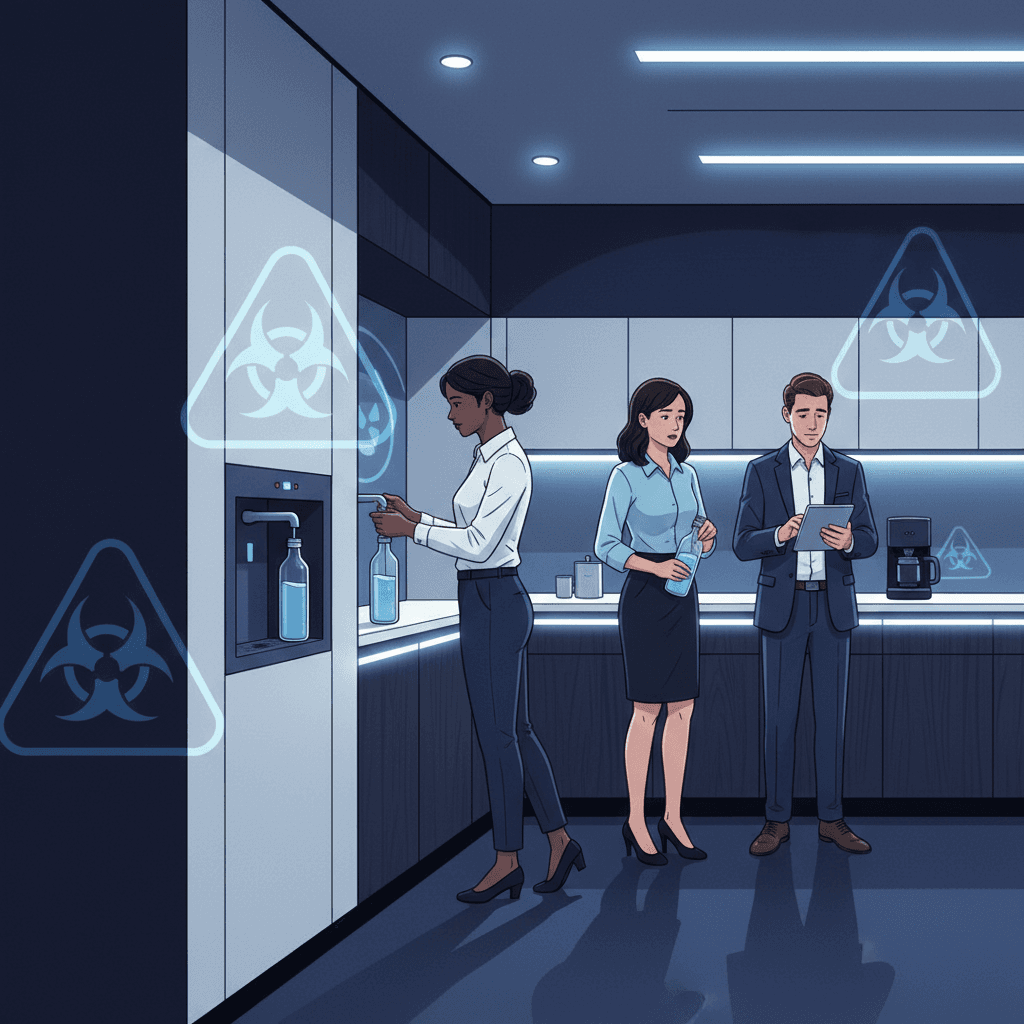
April marks two years since the EPA dropped the hammer on PFAS in drinking water. The first-ever national drinking water standards for these "forever chemicals" went into effect, requiring public water systems to monitor six PFAS compounds and reduce PFOA and PFOS to near zero.
The results? Pretty good for public utilities. Not so much for your office breakroom.
Public Water Systems Are Getting It Done
Municipal water departments had to move fast. The EPA wasn't playing around — PFAS chemicals have been detected in drinking water systems serving millions of Americans across the country.
Two years in, many public systems are working toward compliance. They've installed carbon filtration, reverse osmosis, or ion exchange systems. The EPA expects the new standards will help prevent deaths and reduce serious PFAS-related health issues.
That's real progress. But here's what bugs me.
Your Office Water Didn't Get the Memo
Walk into most office breakrooms today and you'll find the same setup from 2024. Municipal water straight from the tap. Maybe a basic carbon filter if you're lucky. The same water that made headlines for PFAS contamination.
I sell water systems, so take this with a grain of salt. But the disconnect is obvious. Public utilities spent millions upgrading their treatment. Your office spent zero.
The EPA rules only apply to public water systems. Private employers? They can keep serving whatever comes out of the tap.
The Health Math Is Simple
Studies show that employees with access to healthy food and beverage options at work tend to have lower healthcare costs compared to those without. Water isn't food, but the principle holds. What you consume at work affects your health. Your health affects your healthcare costs.
OSHA recommends that employers provide clean, potable water to workers and notes that proper hydration can reduce workplace injuries and improve productivity. That's not hippie wellness talk — that's federal workplace safety guidance.
Most offices I walk into serve water that would likely fail EPA standards if it were a public system. But since it's private, nobody checks.
The Easy Fix Nobody Makes
Point-of-use water systems solve this in about an hour. Carbon and reverse osmosis filters remove PFAS. They connect to your existing plumbing. The water gets treated right before you drink it.
But most facilities managers don't think about water quality. They think about keeping the lights on and the HVAC running. Water just comes from the wall.
I see this pattern everywhere. Companies that spend thousands on ergonomic chairs and standing desks serve water that wouldn't meet federal drinking standards. It's backwards.
Two Years Later
The EPA's PFAS rules were a big deal. They forced the conversation about forever chemicals. They made public water safer.
But the workplace conversation never happened. Most offices are serving the same water they did in April 2024. Same PFAS levels. Same health risks. Same missed opportunity to actually take care of employees.
The technology exists. The regulations created awareness. The only thing missing is someone deciding to actually use both.