2026-04-14
Three Years to Fix 100 Million People's Water Problem
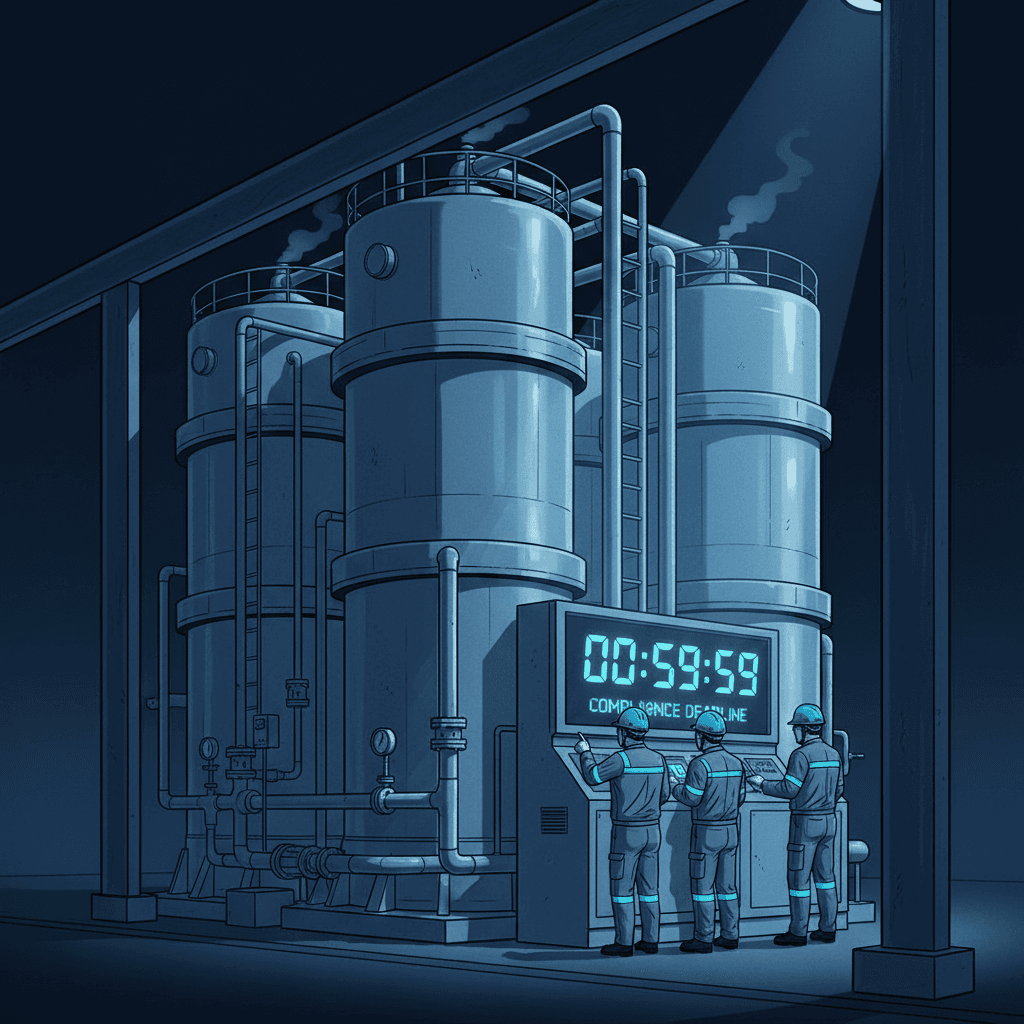
The EPA dropped a bomb in March 2023. For the first time ever, they set national drinking water standards for PFAS chemicals.
PFOA and PFOS can't exceed 4.0 parts per trillion. That's not a typo. Trillion. With a T.
The rule isn't just about numbers. Water systems have three years to comply once it's finalized. They have to monitor. They have to notify the public. They have to fix problems.
Most offices I visit have never heard of this rule. That's a problem.
The Scale Is Massive
The EPA estimates this could reduce PFAS exposure for approximately 100 million people. They think it could prevent thousands of deaths and serious illnesses.
That's potentially one in three Americans.
Your office is probably in that group.
Why Offices Are Behind
I sell water systems. Full disclosure. But I see the same pattern everywhere.
Facilities managers think this is someone else's problem. They assume the municipal water already handles it. They wait for their landlord to fix it. They hope it goes away.
It won't.
PFAS doesn't break down naturally. It doesn't boil off. Standard filtration won't remove it. You need specific technology designed for PFAS removal.
The Three-Year Clock
Three years sounds like forever. It's not.
First, systems need to figure out if they have a problem. That means testing. Real testing, not the basic stuff most offices do.
Then they need to design solutions. That takes months. Good filtration systems aren't Amazon Prime eligible.
Then installation. Then commissioning. Then ongoing monitoring to prove compliance.
Most offices haven't even started step one.
What Actually Works
Carbon filtration can handle PFAS. But not all carbon filtration. You need activated carbon specifically designed for these chemicals.
Reverse osmosis works too. But RO systems need maintenance. They need monitoring. They need someone who knows what they're doing.
Point-of-use systems make sense for many offices. You put the filtration right where people drink. You control the quality at the tap. You don't rely on pipes that might add contamination.
The Notification Requirement
Here's the part nobody talks about. Water systems have to notify the public of PFAS levels.
For offices, that means employees. Your team. The people who trust you to provide safe drinking water.
Imagine getting that email. "We found PFAS in the office water. Levels exceed federal limits. We're working on a solution."
Your HR department is not ready for that conversation.
The Real Timeline
Three years from finalization. We're already into year two of knowing this was coming.
Smart offices started testing last year. They're installing systems now. They'll be compliant when the deadline hits.
Most offices will scramble in year three. They'll pay emergency pricing. They'll get rushed installations. They'll stress their teams.
The EPA gave everyone a roadmap. Most people threw it away.
Your office water system was built for a different set of rules. The rules changed. The water didn't fix itself.