2026-04-23
Summer Water Treatment Changes Are About to Hit Your Office
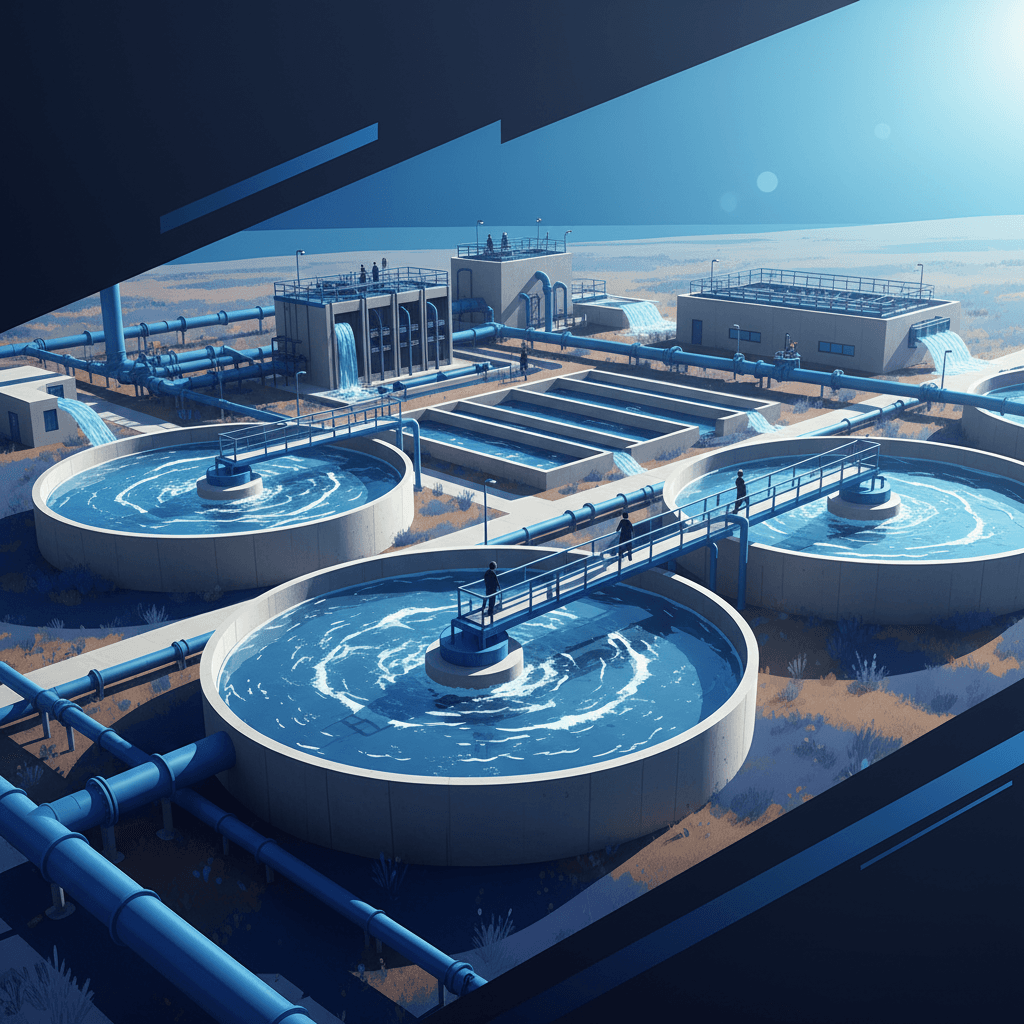
Your office water is about to taste different.
Not because something's wrong. Because it's getting warmer outside.
I sell water systems, so I think about this stuff. But the science behind seasonal water changes is real, and most offices have no idea it's coming.
Why Summer Water Hits Different
Seasonal temperature changes affect water treatment processes, with warmer water in summer requiring different disinfection approaches than colder winter water. Biological activity increases with temperature.
That's the reality: bacteria grow faster when it's hot.
Water treatment plants know this. They've been dealing with it for decades. When summer hits, they typically increase chlorine levels in the system. They adjust filtration rates. They watch for algae blooms.
Your taste buds notice the difference immediately.
Spring Runoff Makes Everything Worse
Right now, spring runoff and heavy rainfall can increase turbidity and organic matter in source water, requiring water treatment plants to adjust coagulation and filtration processes.
Translation: dirty water from melting snow and spring rain forces treatment plants to work harder.
I see this pattern every April. Offices call asking why their water suddenly tastes like a swimming pool. It's not broken equipment. It's the treatment plant compensating for seasonal changes.
The coagulation process gets adjusted. More chemicals to bind the dirt particles. Enhanced filtration to clean it out. Additional chlorine to kill whatever survived.
All of that ends up in your office water cooler.
Algae Season Is Starting
Here's the part that really gets offices: algal blooms are more common in warmer months and can produce taste, odor, and potentially harmful compounds that require enhanced treatment.
Algae love warm water. They multiply rapidly. They produce compounds that make water taste like fish or dirt.
Treatment plants fight this with enhanced oxidation. Additional chlorine dioxide. Sometimes ozone treatment. Whatever it takes to break down the algae byproducts.
But you can't remove the chemical taste completely without removing the disinfection protection.
Your Office Feels Every Change
Municipal water treatment is a balancing act. Clean enough to be safe. Not so chemical-heavy that people refuse to drink it.
In winter, that balance is easier. Cold water. Less biological activity. Fewer taste and odor compounds to remove.
Summer flips the script. Every treatment adjustment shows up in your office water.
I've been in breakrooms where employees bring their own water bottles because the tap water tastes too chlorinated. They're not wrong. But they're solving the wrong problem.
The Real Solution
Bottleless water systems handle seasonal changes differently. Point-of-use filtration removes the chlorine taste without removing the safety. Carbon filtration pulls out the algae byproducts. Reverse osmosis handles whatever the municipal treatment missed.
Your water tastes the same in January and July.
I'm biased here. This is what I do for work. But the science doesn't lie. Municipal treatment plants optimize for safety and compliance. They don't optimize for taste.
Point-of-use systems optimize for both.
What's Coming This Summer
Water treatment plants are already making changes. More chemicals. Different filtration schedules. Enhanced monitoring for algae blooms.
Your office water will reflect every adjustment.
Most facilities managers don't connect the dots. They assume water quality is constant. It's not. It changes with the weather, the season, and the source water conditions.
Summer is the hardest season for municipal treatment. Your office breakroom is about to prove it.
The taste changes aren't a problem to ignore. They're a signal that your water system isn't designed for seasonal variation.
Spring runoff is happening now. Summer heat is coming. Your office water is about to remind you why seasonal treatment changes matter.