2026-03-19
Stop Posting AI Slop on LinkedIn
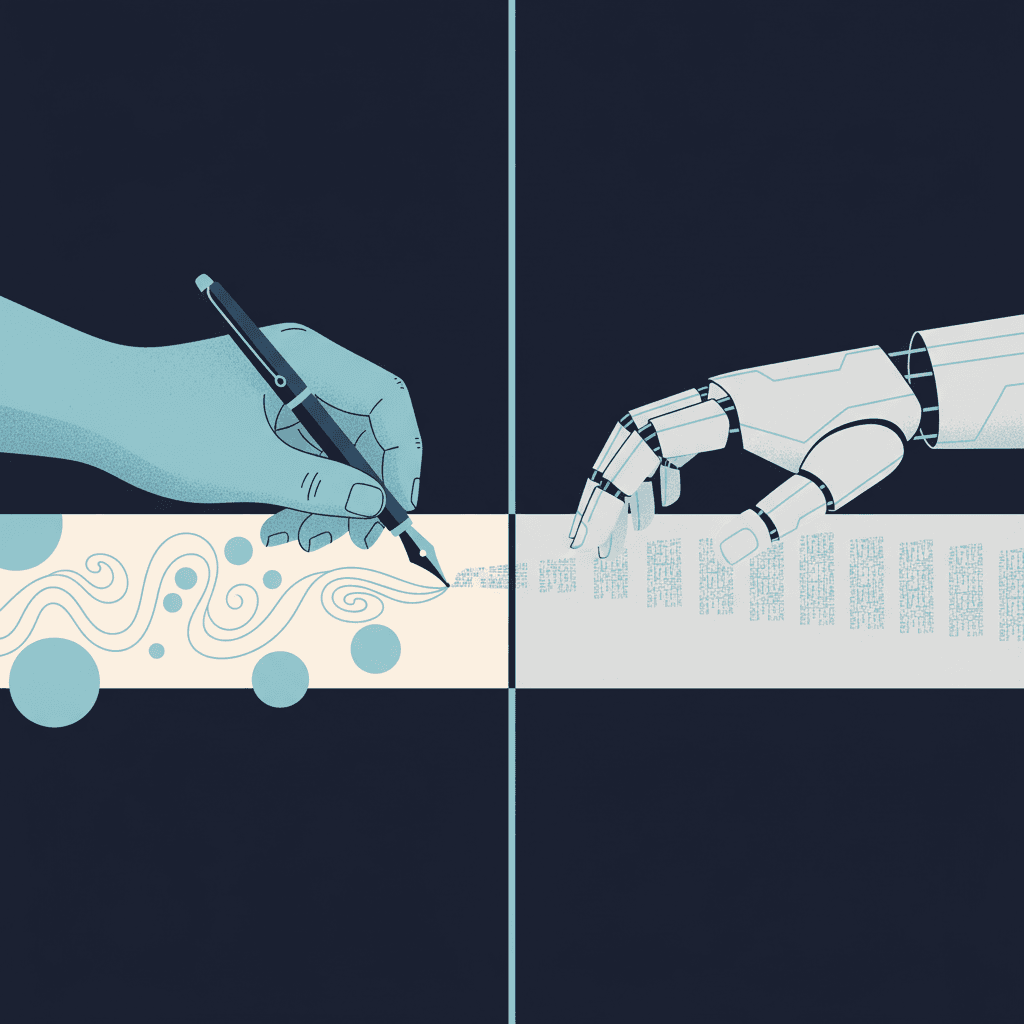
Full disclosure: This article was drafted by AI based on my LinkedIn posts and opinions, then published to my website. I didn't write it word for word. I'm telling you that upfront because the alternative — pretending I hand-typed every sentence on a blog that's literally built by AI systems — would be exactly the kind of dishonesty this post is about.
The ideas are mine. The opinions are mine. The voice was trained on how I actually talk. But the fingers on the keyboard were artificial. Make of that what you will.
I'm going to say something that might sound hypocritical — and given the disclosure above, it definitely sounds hypocritical: most AI-generated content on LinkedIn is garbage.
Not because AI is bad. Because the people using it are lazy.
The Slop Problem
You know exactly what I'm talking about. The posts that start with "In today's rapidly evolving business landscape..." The ones with perfectly structured bullet points that say nothing. The "thought leadership" that reads like it was generated by prompting ChatGPT with "write a LinkedIn post about leadership" and hitting publish without reading it.
It's everywhere. And it's getting worse.
The problem isn't that AI wrote it. The problem is that nobody's home. There's no person behind the words. No opinion. No experience. No edge. Just smooth, inoffensive, algorithmically optimized nothing.
I posted about this on LinkedIn and it got more comments than almost anything else I've put out there. That tells me I'm not the only one who's noticed.
The Irony
Yes — I use AI. Heavily. I built an AI assistant named Sebastian that lives in my sales dashboard. I built an autonomous operating system called VISION that manages my territory data and workflows. I wrote 28,000 lines of code with Claude as my co-pilot. This blog post you're reading right now was drafted by Claude based on things I've said on LinkedIn.
So am I a hypocrite? Maybe. But I think there's a line, and the line is ownership.
When I build with AI, I'm the architect. I know what I want. I understand the problem. I make the decisions. AI handles the implementation — the boilerplate, the syntax, the patterns I'd have to look up anyway. The thinking is mine. Same with this blog: the opinions came from posts I actually wrote, on a profile I actually maintain, about things I actually believe. AI assembled them into long-form. I'm not hiding that.
The slop I'm calling out is different. It's when someone has no opinion, no experience, and no skin in the game — and they use AI to manufacture the appearance of all three. That's the problem. Not the tool. The intent.
When someone uses AI to generate opinions they don't actually hold, they're not using a tool. They're wearing a mask. And the machine defaults to the same bland, corporate, hedge-everything tone every time because that's what you get when there's no actual person driving.
What Authenticity Actually Looks Like
Authenticity on LinkedIn isn't hard. It's just uncommon. Here's what it looks like:
Say what you actually think. Not what sounds professional. Not what gets the most likes. What you actually believe. If you think Keurigs are bad for the environment, say "Keurigs suck." Don't say "there are sustainability considerations worth exploring in the single-serve coffee pod space."
Write like you talk. If you wouldn't say it out loud to a colleague, don't post it. The writing that connects with people is writing that sounds human. Sentence fragments are fine. Starting a sentence with "and" is fine. Ending a post with a joke is fine.
Have an actual opinion. The safest LinkedIn posts are the ones nobody remembers. "I'm grateful for my team" gets a polite scroll-past. "I think most sales tools are built for managers, not reps, and that's why they fail" starts a conversation.
Admit your biases. I sell water systems. When I post about water quality, I say that. When I turn a meme into a product pitch, I call it out. People respect the honesty more than they'd respect a fake neutral take.
The Trust Tax
Every AI-generated post on your profile is a withdrawal from your trust account. People can tell. Maybe not consciously — they might not think "this was written by AI." But they feel the absence of a real person. They scroll past. They don't engage. They definitely don't remember you when they need what you sell.
And if you're in sales — like I am — trust is literally the only thing you have. I drive around Wisconsin knocking on doors. When someone lets me in, it's because they believe I'm a real person with a real opinion about their water situation, not a talking brochure.
My LinkedIn presence is an extension of that. If it reads like a brochure, I've already lost.
Use AI Right
I'm not anti-AI. I'm anti-lazy. And yes, I'm aware that publishing AI-drafted blog posts puts me in a glass house. But here's the distinction I'm drawing:
AI as amplifier: You have the ideas, the experience, the opinions. AI helps you express them faster, more clearly, or at a scale you couldn't manage alone. You own it. You'd stand behind it in a conversation. If someone asked "do you really think this?" you'd say yes without hesitating. That's what this blog is — my opinions, assembled by AI, published under my name because I mean every word.
AI as replacement: You have nothing to say, so you ask AI to say something for you. You couldn't defend the opinion because you don't hold one. You publish it because it fills a content calendar, not because it represents you. That's slop.
The line isn't "did AI touch this?" The line is "is there a real person behind it?"
Use AI to:
- Draft something based on your actual ideas, then refine it
- Research a topic so you have real facts to reference
- Build tools that make your job better
- Scale your voice without losing it
Don't use AI to:
- Generate opinions you don't actually hold
- Manufacture expertise you don't have
- Sound "professional" when you could sound like yourself
- Create the illusion of thought where none exists
The best LinkedIn content I've ever posted was text-only. No video. No graphics. Just me saying what I thought about something. My two text-only posts averaged more impressions than my videos. Turns out, people want to hear from people.
AI can help you be heard. It can't make you worth hearing.
</soapbox>