2026-04-19
Spring Water Changes Hit Different When You Know the Science
Your office water tastes different this month. I guarantee it.
Full disclosure: I sell water systems for a living. But that's exactly why I know what's happening to your municipal water right now.
Spring Is Peak Chaos for Water Plants
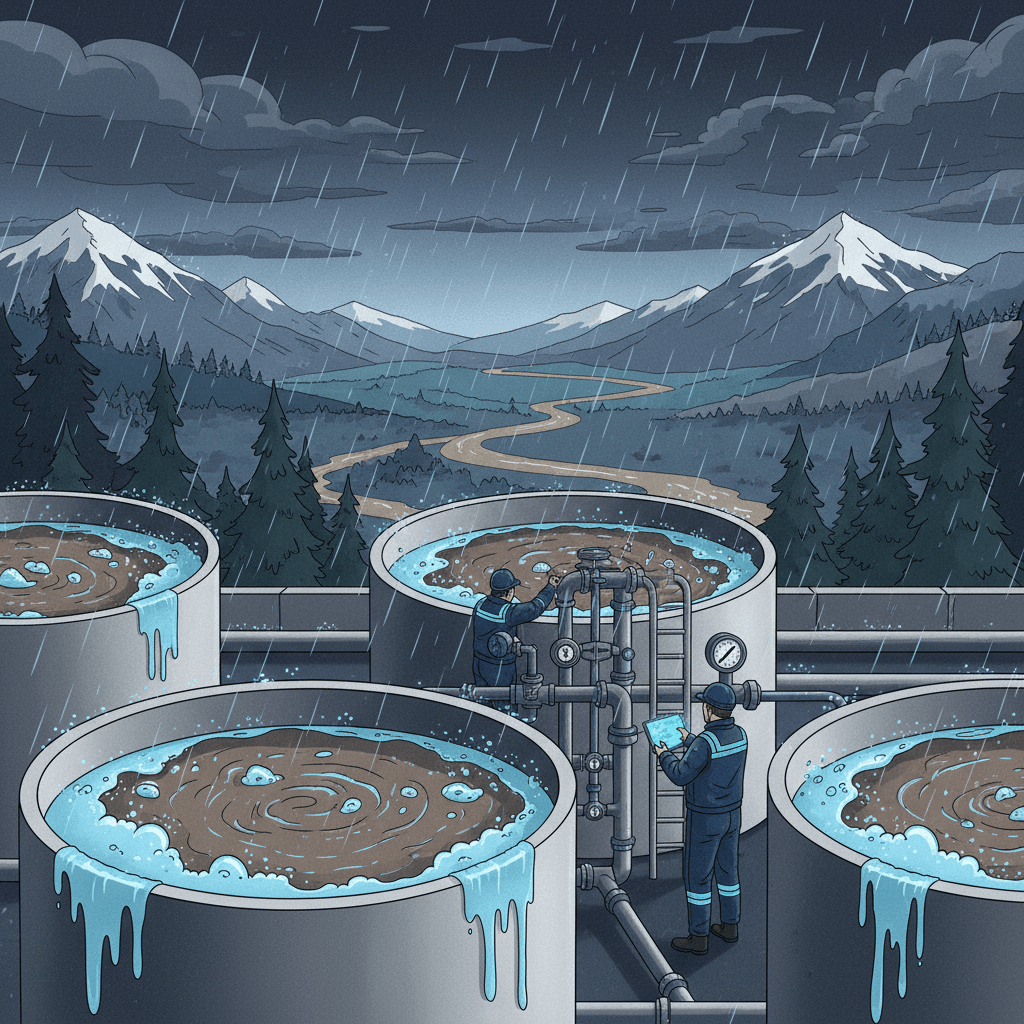
Spring snowmelt and heavy rainfall increase turbidity and contamination in source water, forcing treatment plants to adjust their coagulation and filtration processes. Translation: the water coming into the plant is dirtier, so they have to work harder to clean it.
This isn't a failure. It's physics.
When snow melts and spring rains hit, all the crud that's been sitting on the ground for months gets washed into rivers and reservoirs. Dirt, debris, agricultural runoff, road salt — everything ends up in the source water your treatment plant has to deal with.
The Chemical Juggling Act
Treatment plants respond by cranking up their coagulation chemicals. These bind to particles and dirt, making them heavy enough to settle out. They also boost filtration to catch what the chemicals miss.
But here's what they don't tell you: these adjustments change how your water tastes and smells. More chemicals mean more chemical taste. Harder filtration can strip minerals that affect taste. The chlorine they use for disinfection hits different when it's fighting higher contamination loads.
Algae Season Is Starting
Algae blooms occur more frequently in warmer months and can produce taste, odor, and toxin problems that require enhanced treatment including activated carbon filtration. We're not in peak summer yet, but algae don't wait for June. They start growing as soon as water temperatures rise.
When algae bloom, they release compounds that make water taste earthy, fishy, or just plain off. Treatment plants fight back with activated carbon, but it takes time to adjust these systems.
Your Office Is Downstream
I see this pattern every spring when I walk into offices. The first thing people mention isn't the water pressure or temperature. It's the taste.
"Did something change with our water?"
Yes. Everything changed. The source water got dirtier. The treatment got more aggressive. The seasonal bacterial loads shifted. Your municipal system is doing its job, but that job got a lot harder in the last few weeks.
Most offices don't think about seasonal water quality variation. They assume water is water, year-round. But water treatment plants must adjust processes seasonally because source water changes dramatically with weather patterns.
The Real Problem
Your team notices when water tastes off. They drink less. They buy bottled water. They complain. Productivity drops because dehydration is real.
But they don't connect the dots between spring weather and water taste. They just know something's wrong.
Municipal water is safe. It meets all EPA standards. But "safe" and "appealing" aren't the same thing. When your water tastes like chemicals or dirt, people avoid it.
This Gets Worse Every Year
Climate change means more extreme weather. More intense spring runoff. Longer algae seasons. Aging infrastructure that struggles to adapt quickly.
Your water utility is fighting a harder battle every year. They're winning on safety. They're losing on taste and appeal.
Spring water quality changes aren't going away. They're getting more pronounced. And your office feels every shift in treatment chemistry because you're at the end of the supply chain.
The science is clear. The seasonal patterns are predictable. The only question is whether your office has a plan that works regardless of what's happening upstream.