2026-04-25
Spring Runoff Is Making Your Office Water Worse Right Now
Your office water tastes different this week. You're not imagining it.
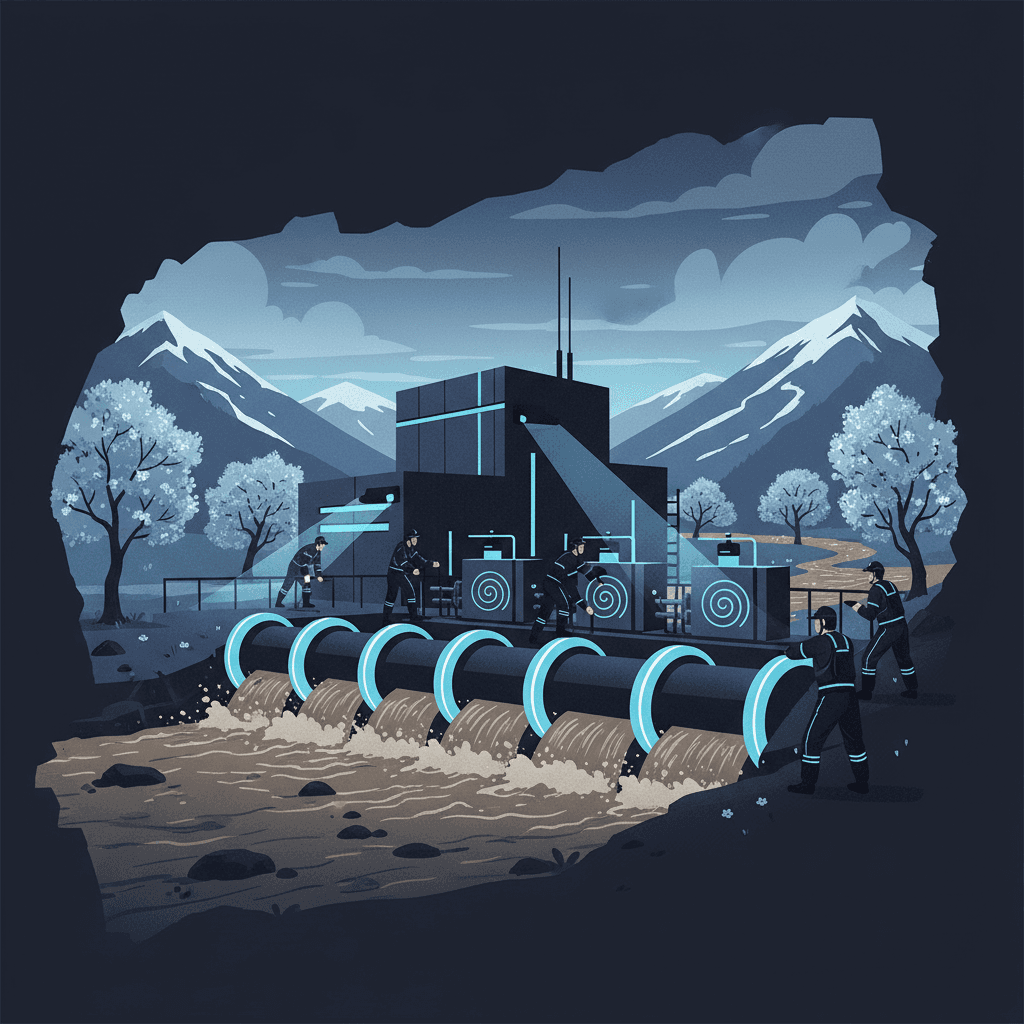
Spring runoff is hitting water treatment plants hard right now. The combination of snowmelt and heavy April rains is overloading systems that were designed for normal conditions.
I work in the water industry, so I watch these patterns play out every year. But most people don't realize their tap water quality is tied to what's happening outside their window.
The Spring Water Problem
Spring runoff and heavy rainfall events increase turbidity and organic matter in source water, requiring treatment plants to adjust coagulation and filtration processes.
Translation: Your water treatment plant is working overtime right now.
When rain and snowmelt wash across streets, farms, and construction sites, all that debris ends up in rivers and reservoirs. Water that was crystal clear in February is now carrying dirt, leaves, road salt, and agricultural runoff.
Treatment plants have to crank up their filtration systems. They're adding more chemicals to make particles clump together. They're running water through filters faster than normal. Some are switching to backup systems they don't usually need.
Why Your Water Tastes Different
The extra treatment chemicals are what you're tasting.
Plants use coagulants like aluminum sulfate or ferric chloride to make tiny particles stick together so filters can catch them. More dirty water means more chemicals needed.
The filtration process gets stressed too. Filters that normally last for extended periods might need cleaning more frequently during heavy runoff periods.
Some plants are adding powdered activated carbon to deal with taste and odor compounds that come with all the organic matter washing into their water supply.
All of this shows up in your coffee. Your ice cubes. The water you're drinking right now.
The Invisible Infrastructure Problem
Most offices have no idea their water quality fluctuates this much.
Your building's water comes from a treatment plant that's dealing with seasonal challenges your facilities team never thinks about. The EPA requires plants to meet safety standards, but taste and odor aren't regulated the same way.
So you get water that's perfectly safe to drink but tastes like chemicals or dirt for weeks at a time.
I see this pattern in offices every spring. Facility managers get complaints about the water fountain. The coffee tastes off. People start bringing bottled water from home.
But nobody connects it to what's happening at the treatment plant level.
What Actually Fixes This
Point-of-use filtration cuts out the seasonal guesswork.
Systems that filter water right where people drink it don't care what's happening upstream. They handle the treatment plant's chemical adjustments. They remove the taste and odor compounds. They deliver consistent water regardless of spring runoff.
It's not about replacing your municipal water system — that's doing its job keeping water safe. It's about handling the seasonal quality variations that make water undrinkable for your team.
Spring weather hits the same way every year. But most offices keep dealing with bad water like it's some unsolvable mystery instead of a predictable infrastructure challenge with known solutions.