2026-04-19
Most Bottled Water Contains Microplastics. Your Office Is Drinking It Daily.
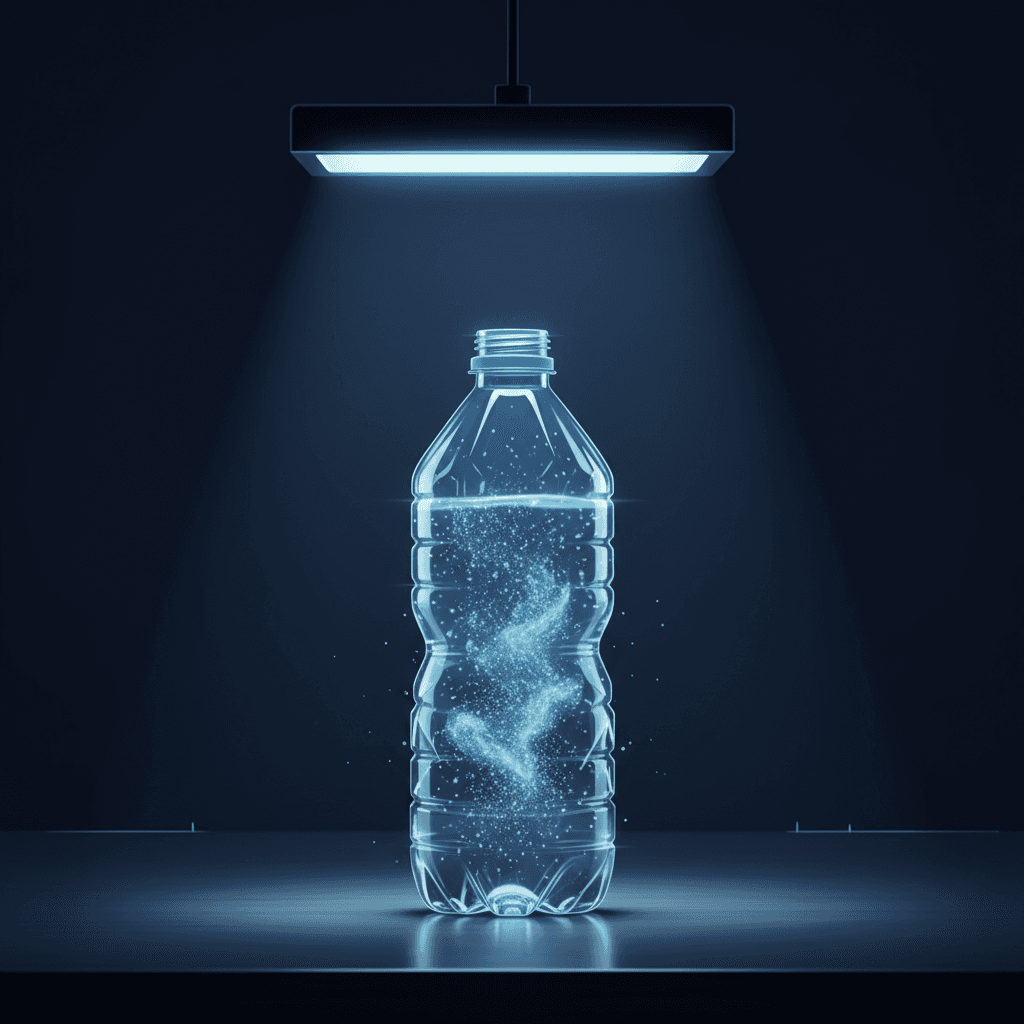
Your office probably bought hundreds of plastic water bottles this month.
Most of them contain microplastics.
I sell water systems. I'm biased. But the World Health Organization isn't — and they found microplastic contamination in bottled water from major brands at levels nearly twice as high as tap water.
Your "premium" office water isn't premium. It's plastic soup in a plastic bottle.
The Numbers Don't Lie
Research has found microplastic particles in bottled water at varying concentrations. That's per bottle. Your team drinks multiple bottles per day.
Think about it. Every sip contains invisible plastic fragments smaller than a grain of sand. These particles come from the bottle itself, the cap, the manufacturing process. Research confirms that single-use plastic bottles show higher microplastic contamination compared to glass bottles.
The plastic industry spent decades convincing us that bottled water is cleaner than tap. The data says otherwise.
Your Office Is Making It Worse
Most offices I visit have the same setup. Cases of plastic bottles stacked in break rooms. Employees grabbing multiple bottles per day. Empty bottles overflowing from recycling bins that rarely get properly recycled.
You're paying premium prices for contaminated water while creating mountains of plastic waste. The microplastics are just the beginning — those bottles leach chemicals, especially when they sit in hot delivery trucks or sunny break rooms.
Meanwhile, your tap water gets tested regularly by municipal systems. It's regulated. It's monitored. And it has fewer microplastics than the bottled alternative you're paying significantly more for.
What Actually Fixes This
Stop buying cases of plastic bottles. Install a real filtration system.
I'm not talking about those cheap pitcher filters that barely remove chlorine taste. I mean commercial-grade systems that actually purify water at the point of use. No plastic bottles. No microplastic contamination. No cases to haul around.
The math is simple. A good filtration system pays for itself in months compared to bottled water costs. Your team gets cleaner water without the plastic contamination. Your office stops generating hundreds of plastic bottles per month.
You can keep pretending bottled water is premium, or you can look at the actual data. High contamination rates aren't premium — it's a problem masquerading as a solution.
The Real Choice
Your office has two options. Keep buying plastic bottles with microplastic contamination at premium prices. Or switch to a system that delivers cleaner water without the plastic.
The WHO data is clear. Research findings are documented. Studies are public record. Bottled water isn't the clean solution the industry marketed for decades.
Your team deserves better than plastic soup in plastic bottles. The science says so.